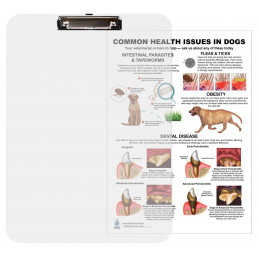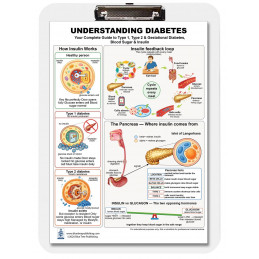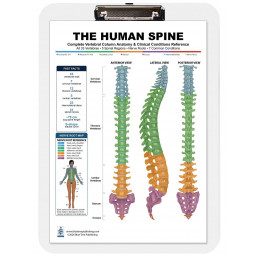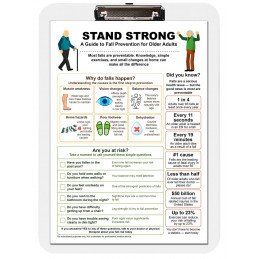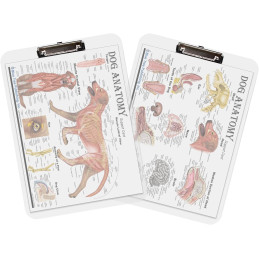

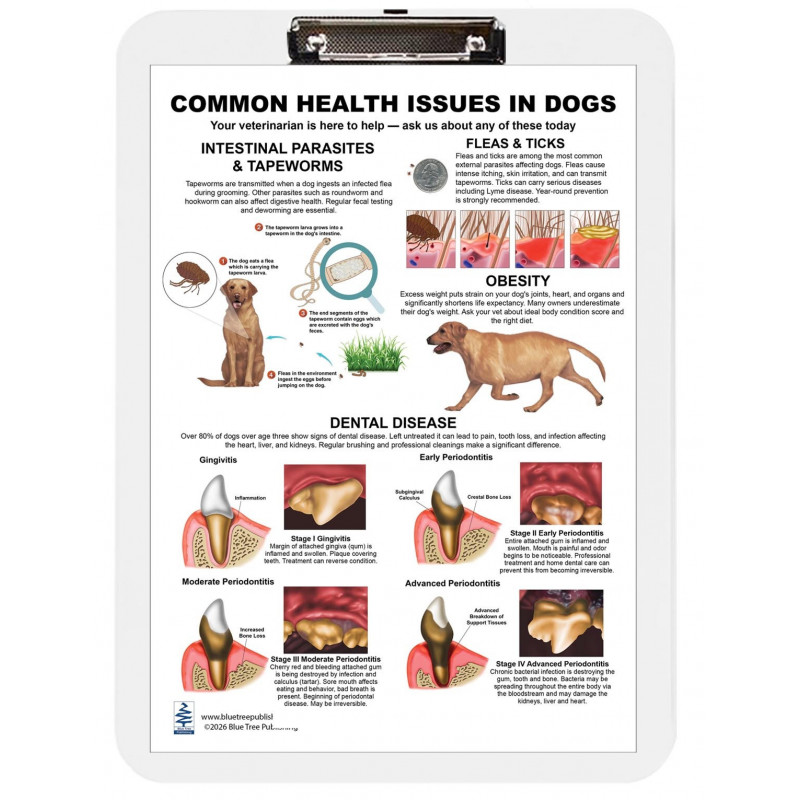
Combining function with canine health education, the Common Health Issues in Dogs Clipboard pairs a sturdy professional A4 clipboard with a detailed double-sided reference chart — everything a veterinary clinic, animal health educator, or dedicated dog owner needs in one convenient package.
The Clipboard
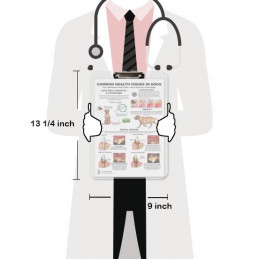
- Durable A4 hardboard clipboard with smooth, reliable clip mechanism
- Lightweight and portable — ideal for exam rooms, waiting rooms, home visits, and consultations
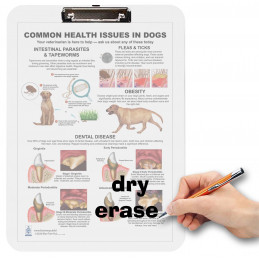
- Fully removable chart attaches and detaches cleanly without damage
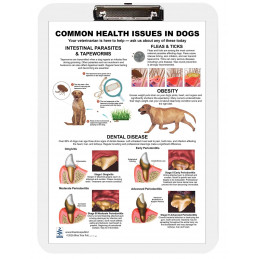
The Chart — Side 1: Parasites, Dental Disease & More
Intestinal Parasites & Tapeworms
- Step-by-step illustrated lifecycle showing how dogs ingest fleas carrying tapeworm larvae, how tapeworms develop in the intestine, and how eggs are excreted and reingested from the environment
- Other parasites including roundworm and hookworm covered
- Importance of regular fecal testing and deworming
Fleas & Ticks
- Fleas and ticks as the most common external parasites affecting dogs
- Fleas causing itching, skin irritation, and tapeworm transmission
- Ticks carrying serious diseases including Lyme disease
- Illustrated skin cross-sections showing flea and tick damage
- Year-round prevention strongly recommended
Obesity
- Excess weight putting strain on joints, heart, and organs
- Life expectancy impact and body condition score guidance
- Guidance on ideal diet and weight management
Dental Disease
- Over 80% of dogs over age three show signs of dental disease
- Four-stage illustrated progression:
- Stage I Gingivitis — inflamed and swollen gum margin, plaque covering teeth, reversible with treatment
- Stage II Early Periodontitis — entire attached gum inflamed, sub-gingival calculus, crestal bone loss, professional treatment needed
- Stage III Moderate Periodontitis — cherry red and bleeding gums, infection and calculus destroying tissue, sore mouth affecting eating and behavior, may be irreversible
- Stage IV Advanced Periodontitis — chronic bacterial infection destroying gum, tooth, and bone, bacteria potentially spreading via bloodstream affecting kidneys, liver, and heart
- Importance of regular brushing and professional cleanings
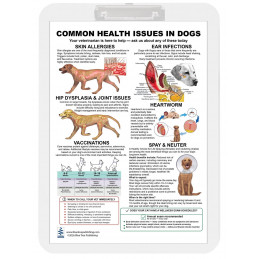
The Chart — Side 2: Allergies, Heartworm, Vaccinations & More
Skin Allergies
- Most frequently diagnosed condition in dogs
- Symptoms including itching, redness, hair loss, and hot spots
- Triggers including food, pollen, dust mites, and flea saliva
- Illustrated skin cross-section showing allergic reaction
- Highly effective treatment options when identified early
Ear Infections
- Dogs with floppy ears or those that swim frequently especially prone
- Signs including head shaking, scratching at the ear, odor, and discharge
- Detailed illustrated cross-section of the canine ear — pinna, ear canal, tympanic membrane, ossicles, cochlea, infection in bulla, parotid and mandibular glands
- Early treatment prevents chronic recurring infections
Hip Dysplasia & Joint Issues
- Common in larger breeds — hip joint not developing properly leads to pain and arthritis
- Signs including difficulty rising and reluctance to exercise
- Illustrated skeletal comparison showing healthy vs dysplastic hip joint
- Weight management and early intervention as key factors
Heartworm
- Serious and potentially fatal condition transmitted by mosquitoes
- Affects heart, lungs, and blood vessels
- Entirely preventable with monthly medication
- Annual testing recommended even for dogs on prevention
- Illustrated transmission cycle
Vaccinations
- Core vaccines protecting against distemper, parvovirus, adenovirus, and rabies
- Full vaccination schedule from 6-8 weeks through annual examinations — DA2PP, Rabies, Leptospirosis
- Lifestyle vaccines including Bordetella, Lyme, and Canine Influenza
Spay & Neuter
- Health benefits including reduced risk of mammary and testicular cancers
- Elimination of life-threatening uterine infections (pyometra)
- Decreased risk of prostate problems and longer healthier life expectancy
- What to expect — same day procedure, recovery within 10-14 days
- Ideal timing — most veterinarians recommend between 6 and 12 months
When to Call Your Vet Immediately
- Not eating or drinking for more than 24 hours
- Straining to urinate or no urine produced
- Pale, blue, or white gums
- Suspected poisoning or ingestion of toxic substance
- Difficulty breathing, wheezing, or persistent coughing
- Sudden collapse, seizures, or loss of consciousness
- Severe vomiting or diarrhea — especially with blood
- Eye injury, sudden blindness, or rapid eye changes
Does Your Dog Have a Wellness Exam Scheduled?
- Annual exam recommended for all dogs
- Early detection saves lives — many conditions show no symptoms until advanced
- Includes physical exam, weight check, dental review, and parasite screening
- Senior dogs may need bi-annual visits
The fully removable chart means you can pin it to a wall, hand it to a client, or display it independently — and replace it whenever you need a fresh copy.
For educational purposes only. Not a substitute for professional veterinary advice. you wish to use